The Science of Sleep at 35,000 Feet
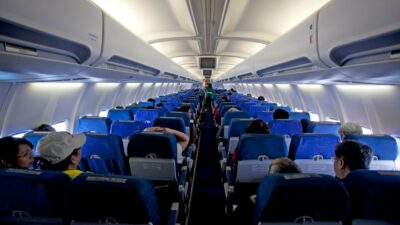
You’ve settled into your window seat, the cabin lights dim, and the hum of the engines lulls you into a sense of calm. Yet, sleep on a plane can sometimes feel as elusive as catching a cloud. In 2026, understanding the science behind airborne slumber can transform your travel experience from an exhausting ordeal to a rejuvenating journey.
Research shows that the combination of cabin pressure, humidity, and noise levels on an aircraft can significantly impact sleep quality. The typical cabin pressure equates to being at 6,000 to 8,000 feet altitude, which can reduce blood oxygen levels and lead to fitful rest. Airlines have started to address this by introducing advanced air filtration systems and cabin pressurization technology, mimicking lower altitudes for improved passenger comfort.
The Role of Technology in Sleep Enhancement
In the digital age, tech innovations are revolutionizing how we sleep, even in the skies. Contemporary airlines have begun integrating sleep technology into their long-haul services. From smart sleep masks that adapt to your circadian rhythm to noise-canceling headsets that drown out ambient cabin noise, the tools available today are designed to optimize in-flight sleep quality.
Moreover, airlines like Emirates and Singapore Airlines are experimenting with personalized lighting systems that simulate natural light cycles, helping to regulate passengers’ body clocks. These systems gradually transition from daytime brightness to a soothing twilight glow, supporting a more natural sleep environment.
The Perfect Seat for Sleep
Choosing the right seat can make or break your sleep ambitions. In 2026, many airlines provide detailed seat maps that highlight not just legroom and recline but also noise levels and distance from the galley or lavatories. A seat over the wings is often the quietest, as it is the most stable part of the plane, reducing turbulence-induced interruptions.
For those willing to invest a little more, lie-flat seats and private suites have become significantly more accessible. Air New Zealand’s ‘Skycouch’ and Qatar Airways’ ‘Qsuite’ offer configurations that allow for near-horizontal sleeping positions, turning economy discomfort into a business-class dream.
Pre-Flight Preparations: Setting the Stage for Sleep
Getting a good nap in the air starts before you even board the plane. In 2026, savvy travelers know the importance of pre-flight rituals. Hydration is key; drinking plenty of water before and during your flight helps mitigate the dehydrating effects of cabin air.
Consider your clothing choices as well. Opt for loose, breathable fabrics and layer up to adjust to fluctuating cabin temperatures. Bringing a travel pillow and an eye mask are classic strategies that never go out of style, providing comfort and blocking out unwanted light.
Mindfulness Practices to Ease Into Sleep
Incorporating mindfulness practices can also enhance your in-flight sleep experience. Simple meditation exercises or deep-breathing techniques can calm your nervous system, reducing stress and aiding relaxation. Many airlines now offer guided meditation and relaxation audio as part of their in-flight entertainment options.
Practicing mindfulness is not just about relaxation but also serves as a powerful tool to combat jet lag. Focusing on your breath and grounding yourself in the present moment can help synchronize your internal clock with your destination’s timezone.
Takeaway: Rest Easy in 2026
Achieving quality rest on a plane is no longer a flight of fancy. With advances in aviation technology, strategic seating choices, and mindful pre-flight and in-flight practices, you can transform your long-haul flights from endurance tests into restful retreats. The next time you find yourself cruising at 35,000 feet, use these insights to arrive at your destination feeling refreshed and ready to explore.