The Dawn of Safer Skies
In 2026, the airline industry is experiencing a groundbreaking shift in the way safety is prioritized and implemented. With advances in technology, the focus is not just on preventing incidents but also on enhancing the overall passenger experience. From AI-driven diagnostics to predictive maintenance, airlines are investing heavily to ensure that skies are safer than ever before.
AI-Driven Diagnostics
Artificial Intelligence has become a cornerstone in the aviation sector. By 2026, airlines have deployed AI systems that constantly monitor aircraft systems, detecting any irregularities long before they escalate into serious issues. For instance, Lufthansa’s maintenance division utilizes AI to analyze data from thousands of sensors on every flight, identifying potential problems with remarkable accuracy. This proactive approach dramatically reduces the likelihood of in-flight mechanical failures.
Predictive Maintenance
Gone are the days of reactive maintenance. Predictive maintenance techniques have revolutionized how airlines approach aircraft upkeep. By leveraging big data analytics, airlines can predict when a component is likely to fail and replace it before it poses a risk. Delta Air Lines, for example, uses predictive analytics to schedule maintenance during off-peak hours, minimizing disruptions and enhancing passenger safety.
Advanced Pilot Training
Technology is also enhancing pilot training. Virtual Reality (VR) and Augmented Reality (AR) have become integral to pilot education. This year, British Airways started using VR simulations to prepare pilots for emergency scenarios that are too dangerous to replicate in reality. The immersive experience enables pilots to gain hands-on experience in a safe environment, ensuring they are better prepared for real-life situations.
Passenger Safety Innovations
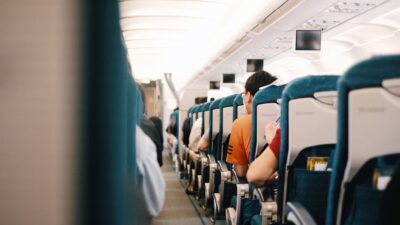
Passenger safety is receiving as much attention as aircraft reliability. Innovative design changes, such as the introduction of smart seats equipped with biometric sensors, allow crew members to monitor passenger health in real-time. For instance, Emirates has rolled out seats that can alert the crew to any passenger experiencing medical distress, ensuring timely intervention.
Cybersecurity in Aviation
With the digitization of aircraft systems comes the risk of cyber threats. Airlines have responded by implementing robust cybersecurity measures to protect both onboard systems and passenger data. The International Air Transport Association (IATA) has introduced a new framework for cybersecurity, ensuring that the entire aviation ecosystem, from booking systems to in-flight connectivity, remains secure.
Practical Takeaway: As 2026 unfolds, travelers can feel more confident in the safety of air travel, thanks to cutting-edge technologies that enhance both aircraft and passenger safety. Whether you’re boarding a flight for a vacation or business trip, the innovations in the aviation industry ensure a safer and more reliable journey.